Research

We combine magnetics, soft materials, mechanical design and machine learning to build wireless robots for minimally invasive medicine.

Magnetic Actuation & LocalizationMagnetic Actuation & LocalizationMagnetic Actuation & Localization
01

Magnetic Actuation & Localization

Steering untethered robots deep inside the body with permanent-magnet arrays, electromagnetic coils and hybrid magnet arrays — and closing the loop with magnetic localization and calibration.

  • Permanent magnet array–driven navigation of millirobots inside soft tissue using magnetic energy traps
  • 4-DoF control of miniature magnets for intravascular navigation with hybrid magnet arrays
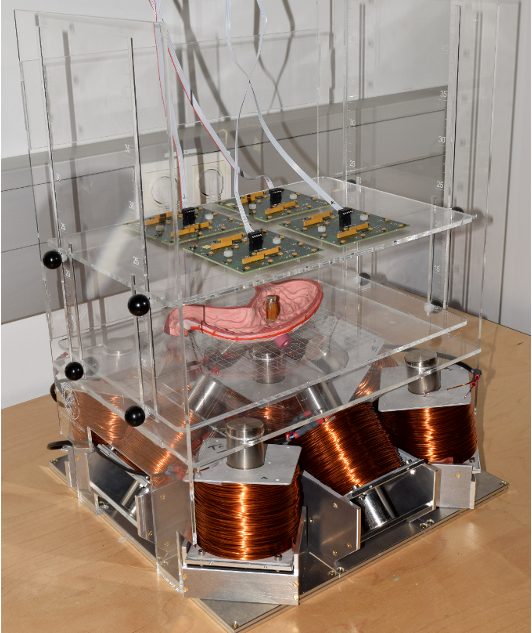
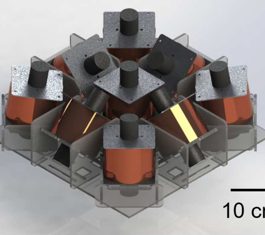
  • 9-coil electromagnetic actuation system optimized for vertical force over a stomach-sized workspace
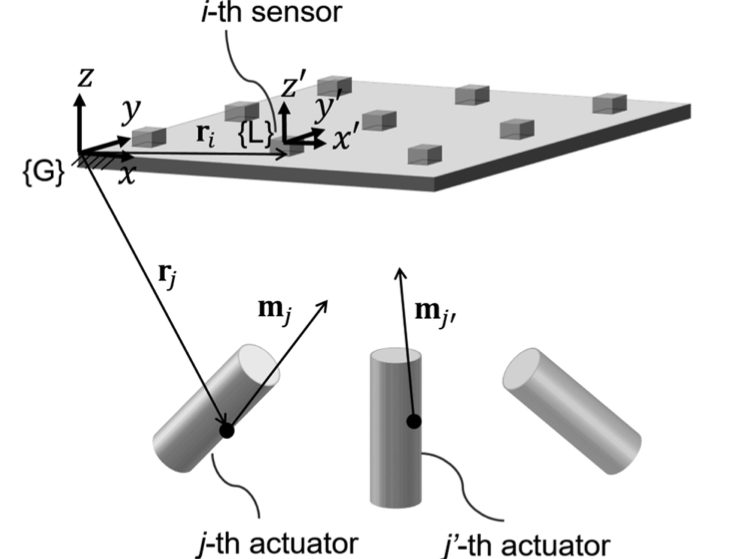
  • 5-D localization with 2-D Hall-effect sensor arrays, compatible with magnetic actuation
  • Simultaneous calibration of ~1,800 localization/actuation parameters (R² > 0.99)
Wireless Medical Robots
02

Wireless Medical Robots

Minimally invasive robots for diagnosis, therapy and implantation — soft capsule endoscopes that take biopsies, magnetic catheters, microrobotic glaucoma surgery, self-deploying neural implants and drug-delivery soft robots.

  • Magnetically actuated soft capsule endoscope for fine-needle biopsy, validated in ex-vivo porcine stomachs
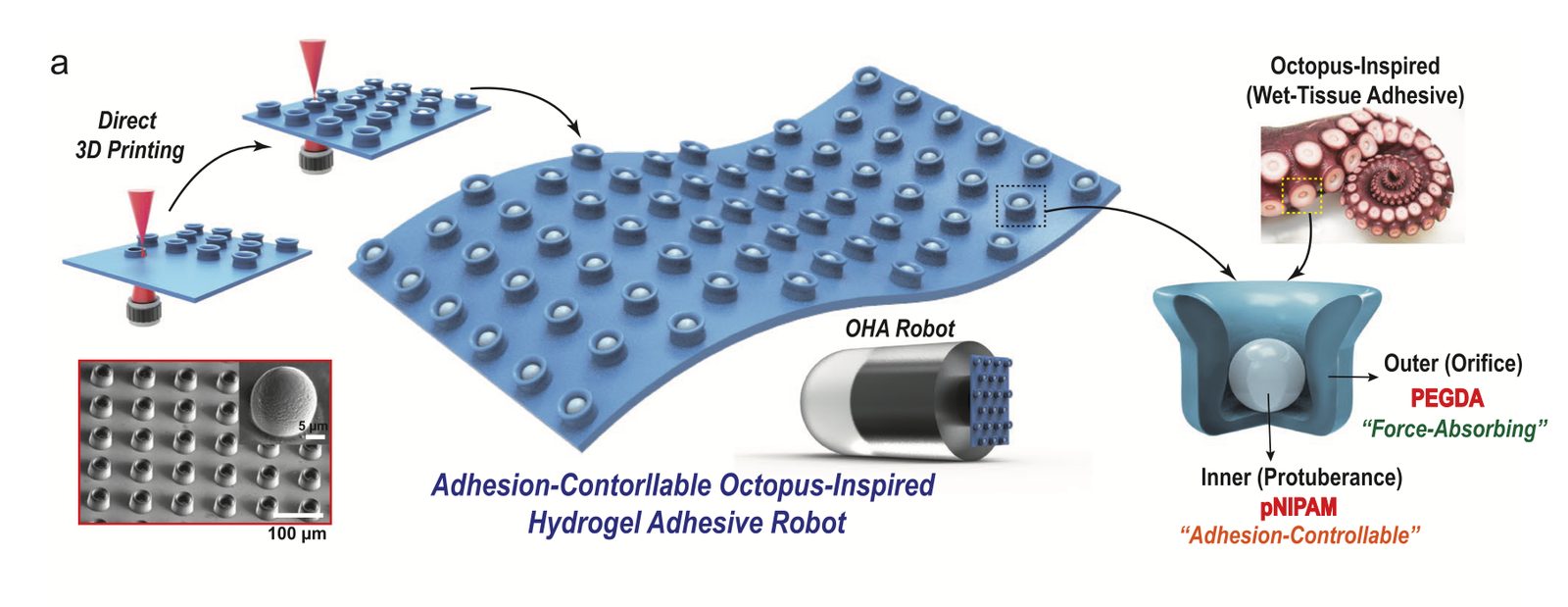
  • Tissue-adhesion-controllable, biocompatible hydrogel robots
  • pH- and temperature-responsive soft robots for targeted drug delivery
  • Magnetic microrobotic surgery and implants for glaucoma treatment
  • Self-deploying millimeter-scale robotic neural implants and permanent-magnet robotic catheters
Soft Robotics & Grippers
03

Soft Robotics & Grippers

Grippers and soft bodies whose stiffness and adhesion can be tuned on demand — from layer-jamming grippers that hold on underwater to self-sealing suction grippers and adaptive grippers for industry.

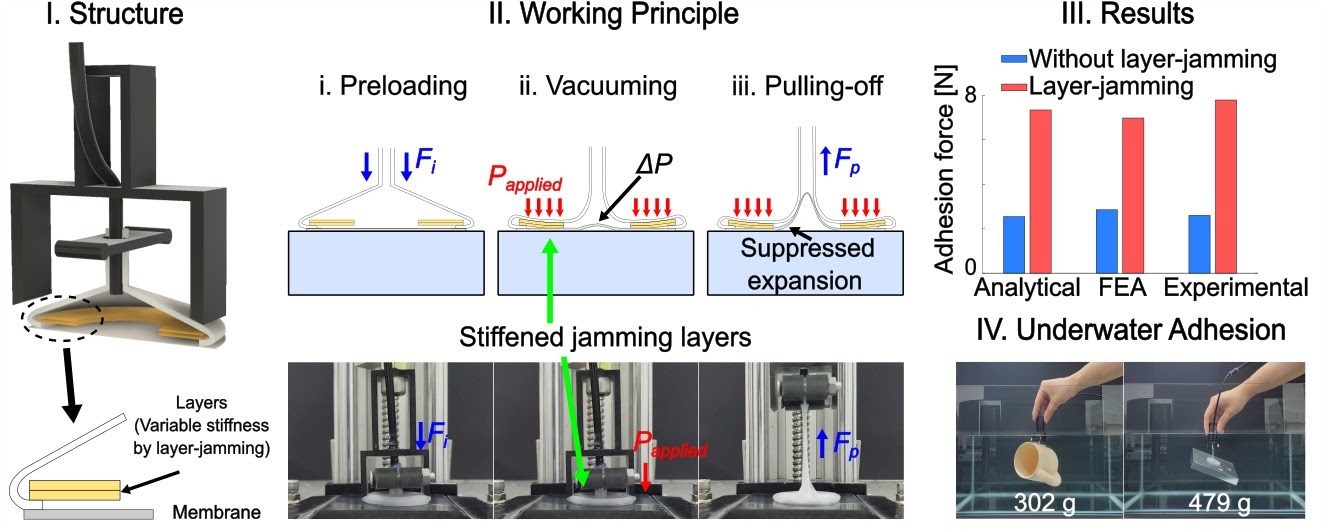
  • Layer-jamming soft gripper with tunable stiffness and underwater adhesion
  • Self-sealing suction gripper that adapts to rough, irregular and delicate objects
  • Bioinspired fibrillar adhesives, including liquid-superrepellent designs
  • Adaptive grippers for handling cylindrical metal waste in nuclear facilities
Learning-based Design Optimization
04

Learning-based Design Optimization

Machine learning and FEM-in-the-loop Bayesian optimization to discover designs that intuition would miss — adhesive microstructures, electromagnet layouts and magnet arrays — always validated by experiment.

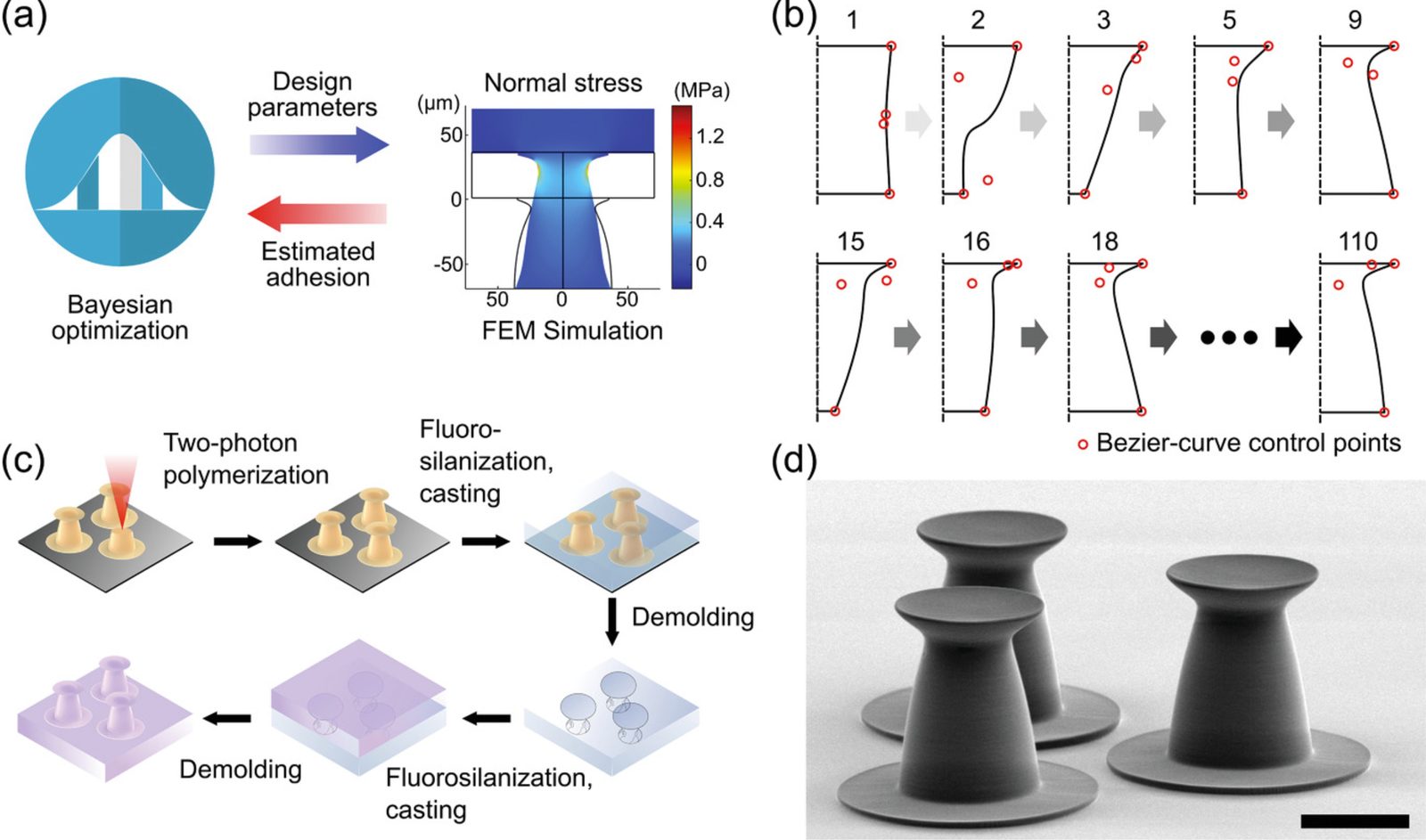
  • Hyperelastic FEM simulations in concert with Bayesian optimization for adhesive fibril shapes
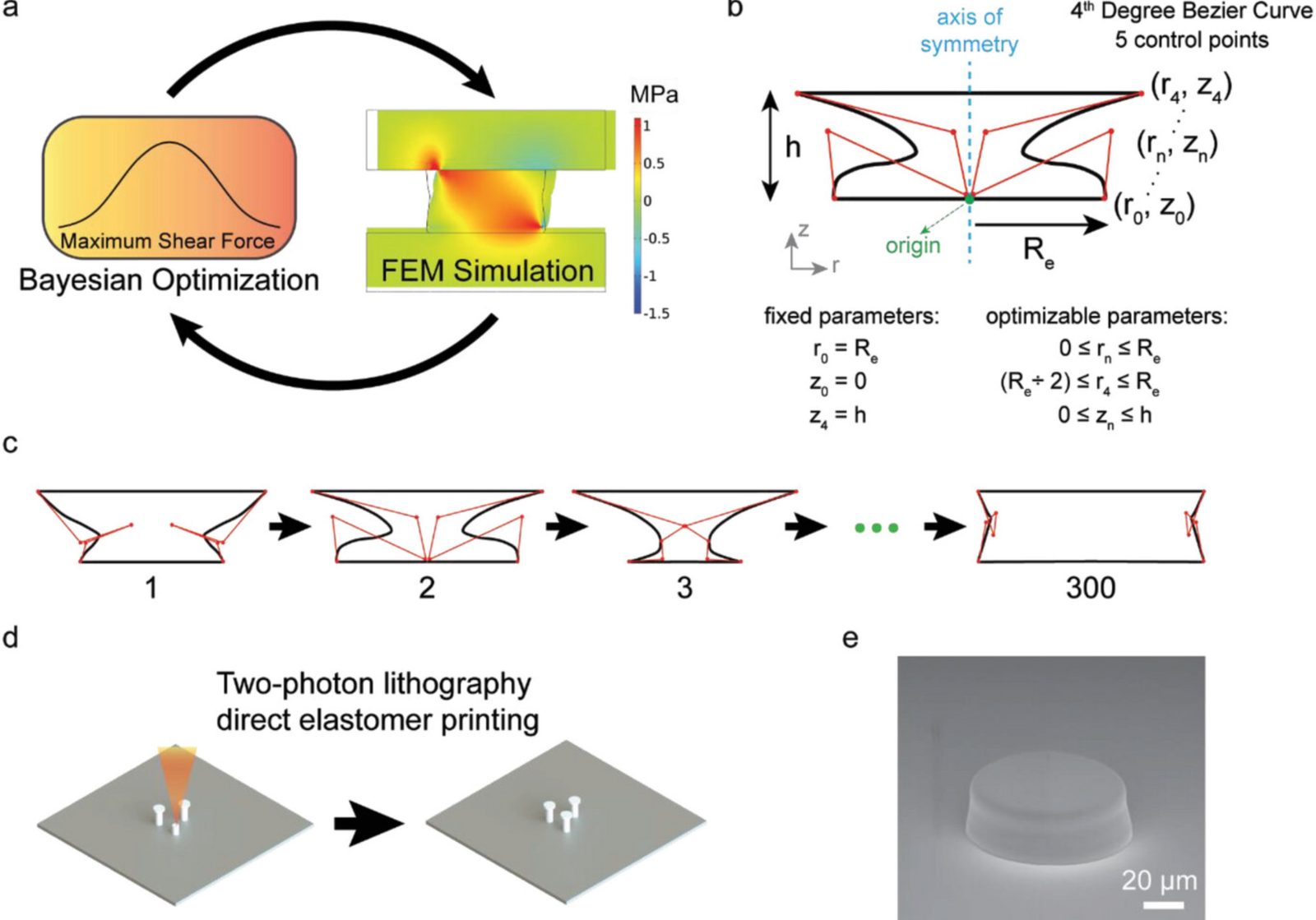
  • Shear-optimal adhesive microstructures discovered by machine learning
  • Bayesian optimization of electromagnet configurations for microrobot actuation
  • Planar permanent magnet array design and generative design of robot components

Facilities

Our in-house equipment lets us design, fabricate, simulate and test robots under one roof.

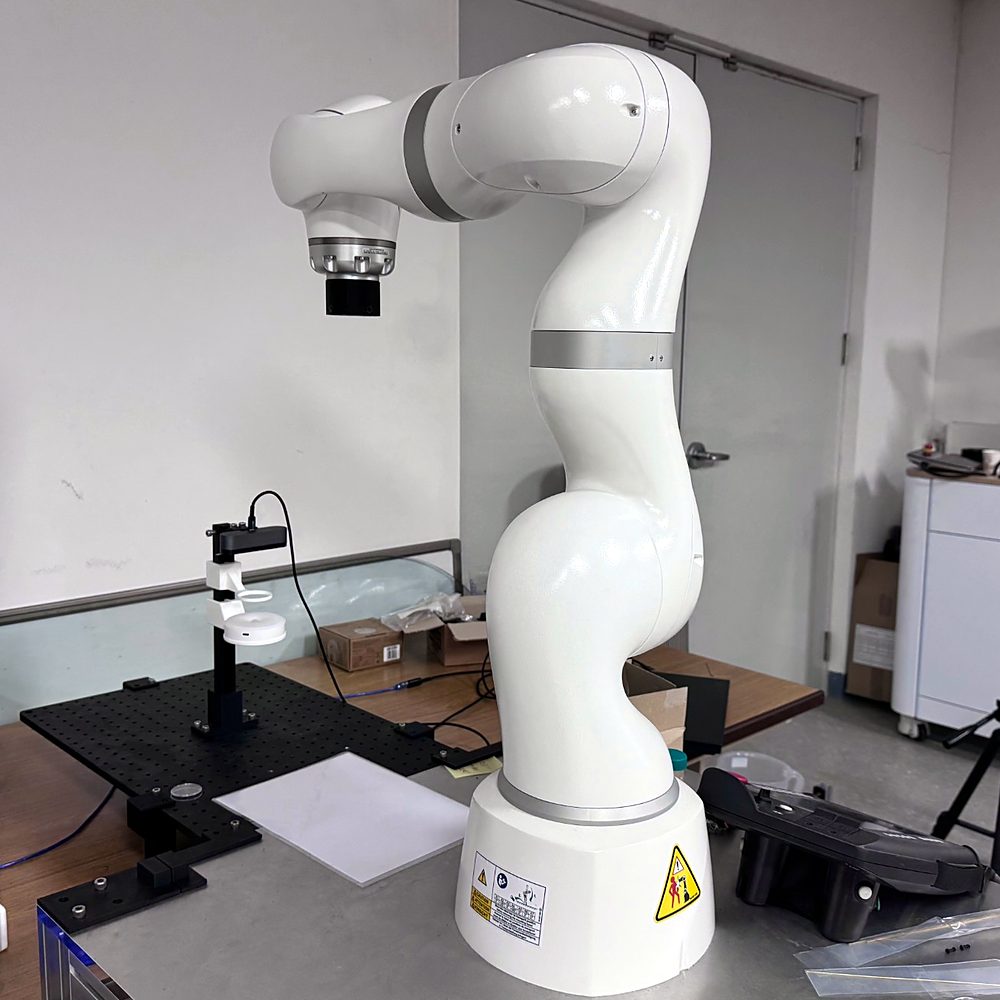
  • KUKA LBR Med 14 R820
    Medical Robotics

    KUKA LBR Med 14 R820

    7-axis medical collaborative robot

    • 14 kg payload · 820 mm reach
    • Joint torque sensing · ±0.15 mm repeatability
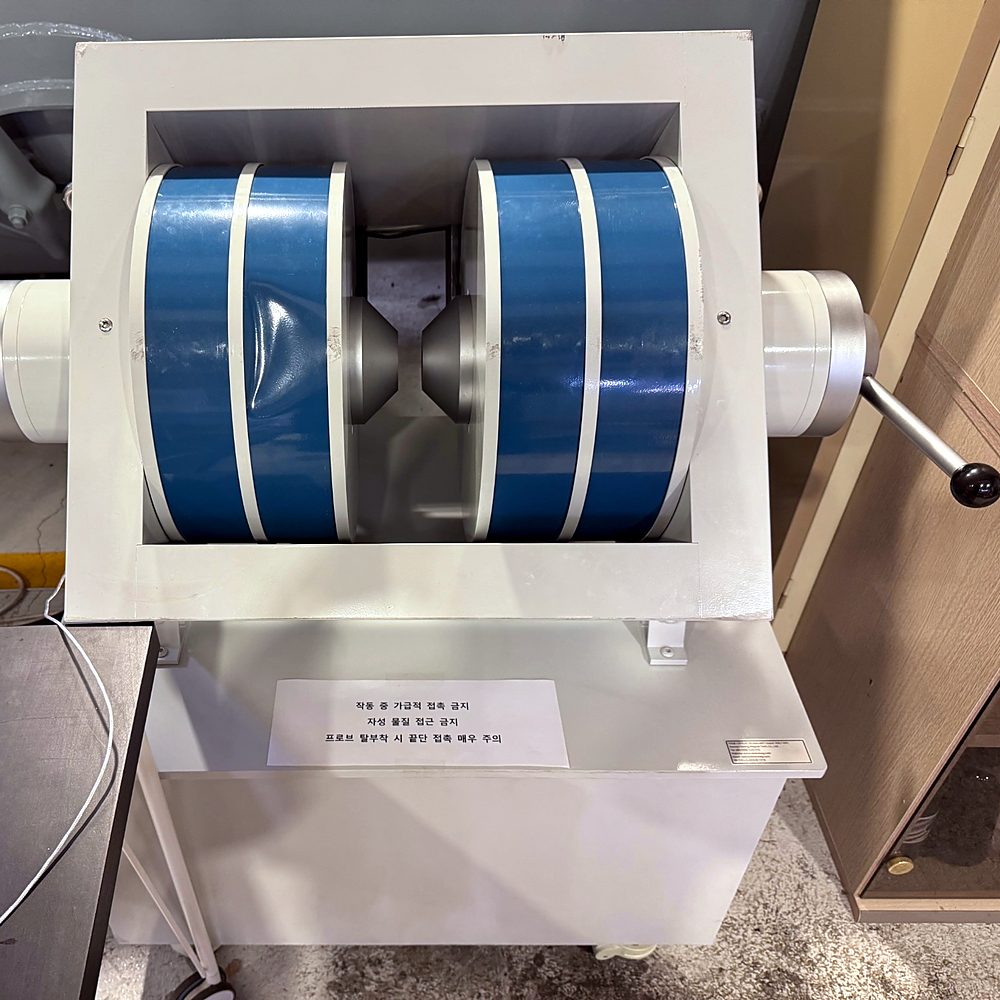
  • DXSB-130
    Magnetic Actuation & Testing

    DXSB-130

    Variable-gap electromagnet

    • Up to 3.4 T (Ø15 mm pole face, 5 mm gap)
    • 0–120 mm adjustable gap · 130 mm pole diameter
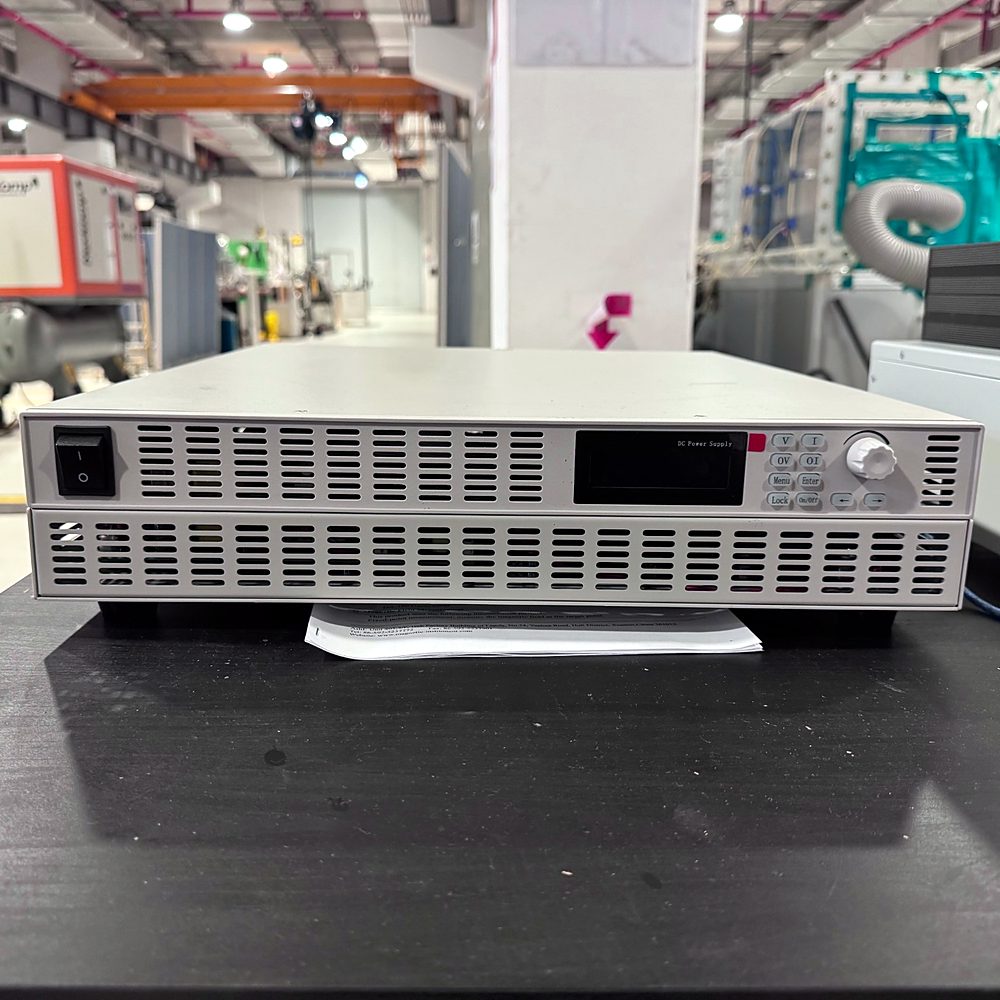
  • DX627515050
    Magnetic Actuation & Testing

    DX627515050

    Digitally controlled DC power supply

    • DC 0–150 V / 0–50 A · 7.5 kW max
    • RS232 / RS485 remote control
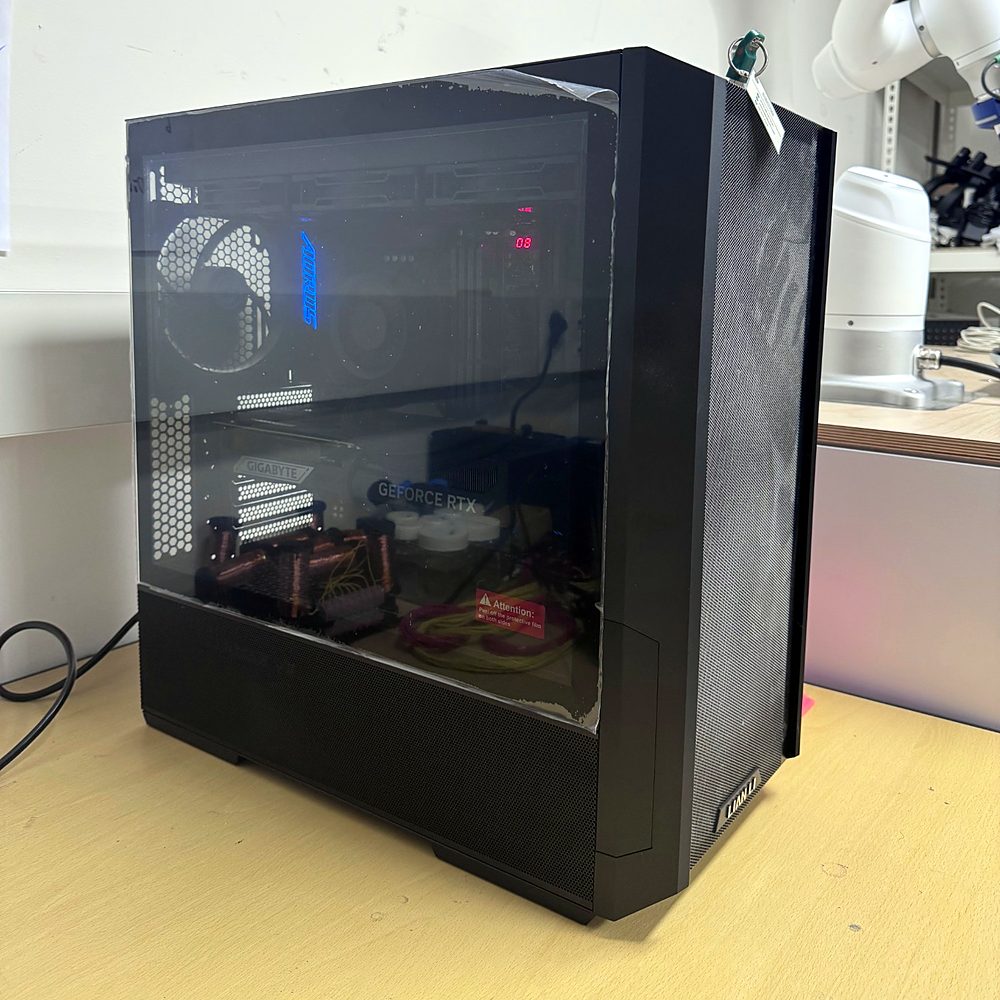
  • COMSOL Multiphysics 6.4
    Simulation

    COMSOL Multiphysics 6.4

    Structural–electromagnetic simulation workstation

    • Structural Mechanics · AC/DC modules
    • Ryzen 9 9950X (16 cores) · 256 GB RAM · RTX 5070 Ti
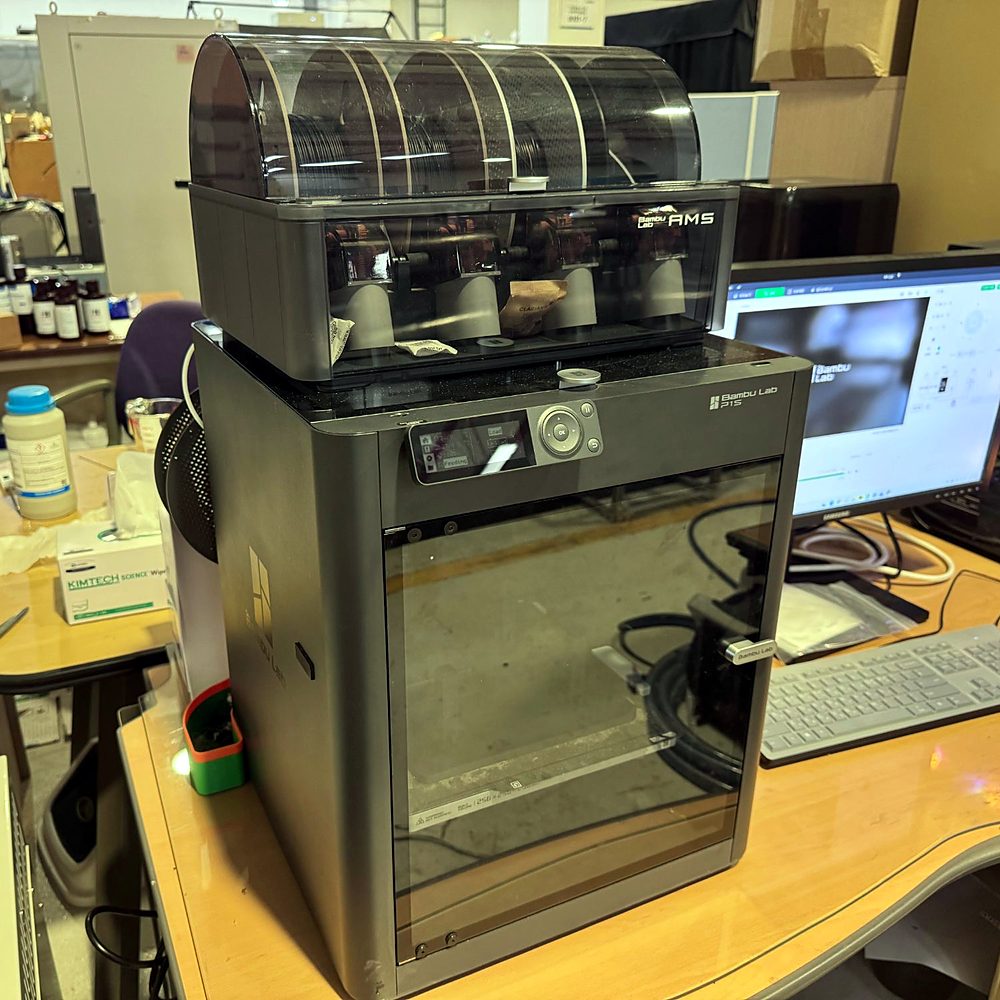
  • Bambu Lab P1S
    Prototyping

    Bambu Lab P1S

    Enclosed FDM 3D printer (AMS multi-material)

    • 256 × 256 × 256 mm build volume
    • Up to 300 °C nozzle · 500 mm/s
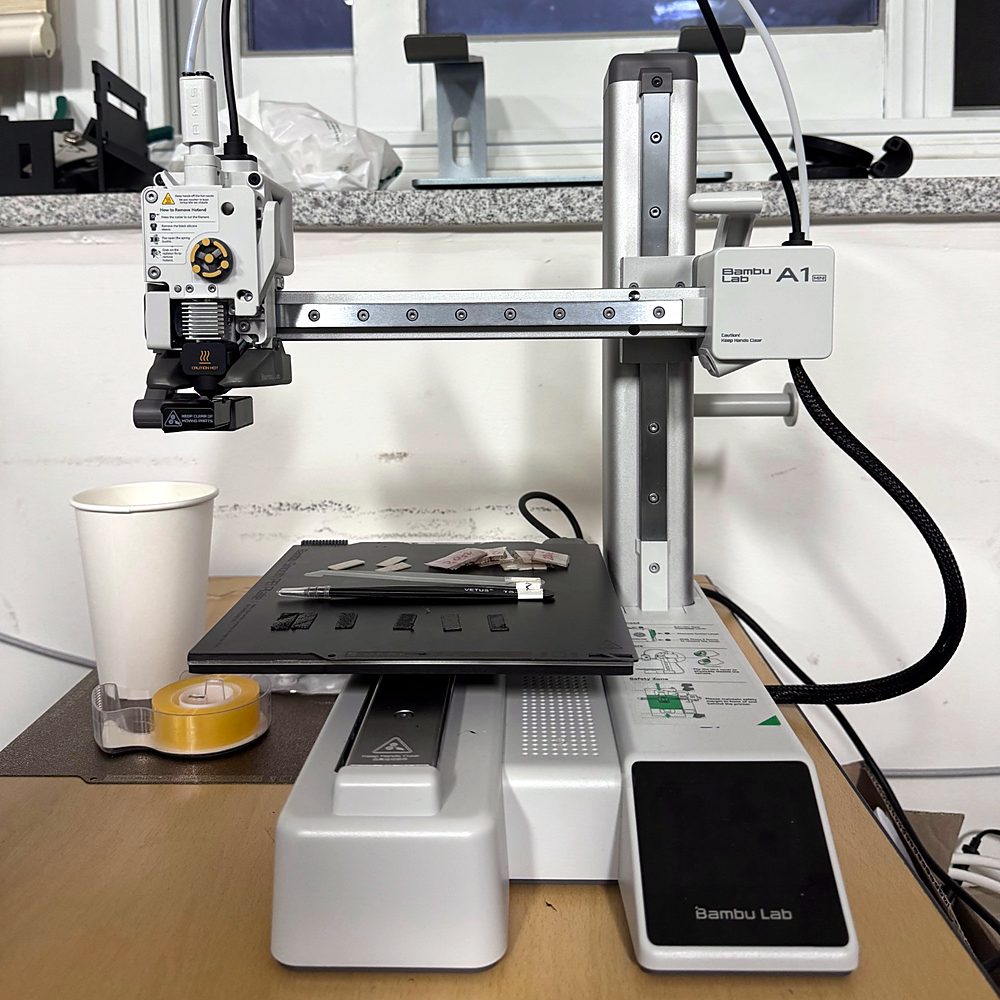
  • Bambu Lab A1 mini
    Prototyping

    Bambu Lab A1 mini

    Compact FDM 3D printer

    • 180 × 180 × 180 mm build volume
    • Up to 300 °C nozzle · auto calibration
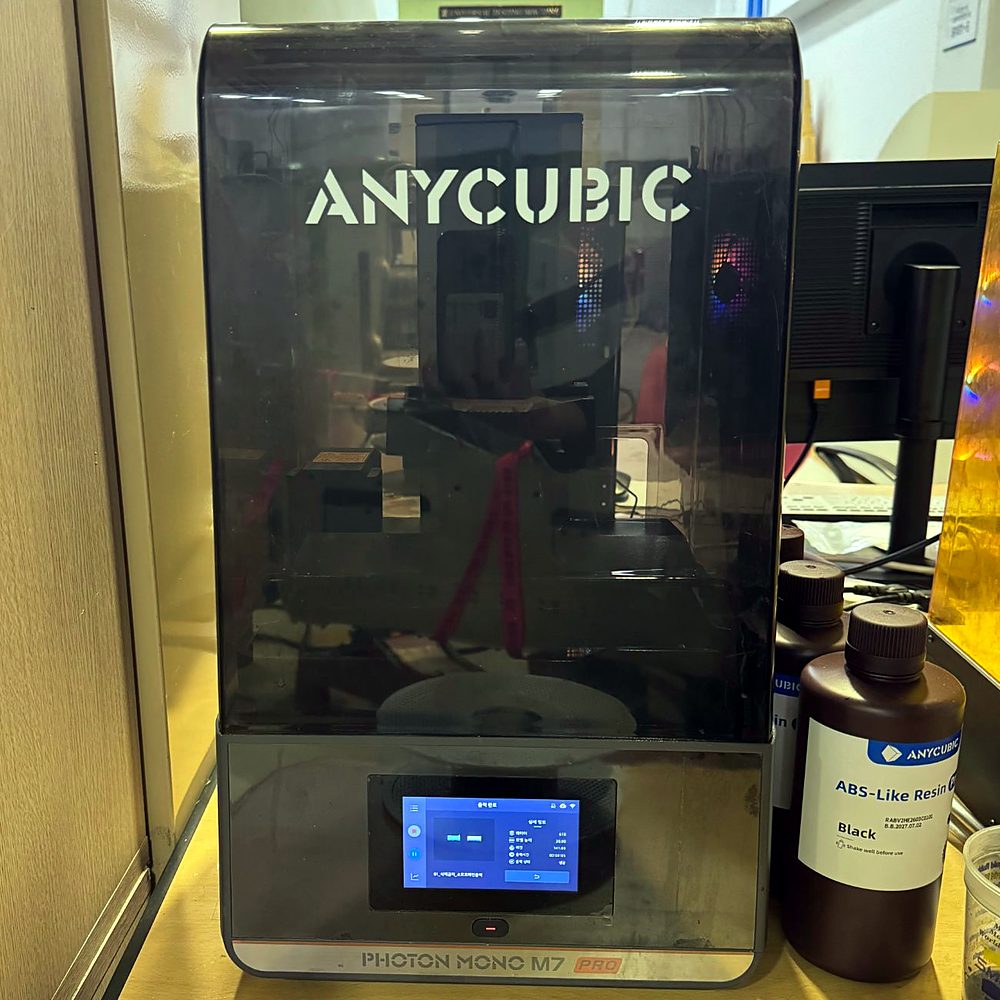
  • Anycubic Photon Mono M7 Pro
    Prototyping

    Anycubic Photon Mono M7 Pro

    Resin 3D printer (MSLA)

    • 223 × 126 × 230 mm build volume
    • 10.1-inch 14K mono LCD

Research projects

Active 3

  • 2026.01 – 2030.12Magnetic microrobotic surgery system for precision treatment of congenital glaucoma
  • 2026.01 – 2028.12Real-time intraocular pressure monitoring and adaptive glaucoma therapy via micro-robotic tube implantation in the anterior chamber
  • 2022.06 – 2027.02Self-deploying millimeter-scale robotic neural implants

Completed 8

  • 2025.07 – 2026.06Industry-sponsored project
  • 2025.03 – 2026.02Adaptive gripper design for cylindrical metal waste in nuclear power plants
  • 2025.03 – 2026.02Permanent magnet–based robotic catheter
  • 2024.07 – 2025.08Industry-sponsored project
  • 2024.03 – 2025.02End-effector tool design for nuclear filter replacement
  • 2024.02 – 2024.12Industry-sponsored project
  • 2023.01 – 2025.12Industry-sponsored project
  • 2022.08 – 2024.10Industry-sponsored project